• Unripe papaya is considered dangerous for consumption during pregnancy as it causes natural abortion.
• Papaya is a healthy tropical fruit.
• It is rich in phytochemicals, vitamins, minerals, carbohydrates (polysaccharides), proteins, fibers, enzymes, glycosides, and flavonoids.
• It contains a host of vitamins such as vitamin C, vitamin A, vitamin B9 (folate), vitamin B1, vitamin B3, vitamin B5, vitamin E, and vitamin K.
• As per research, papaya is loaded with many bioactive components that are great for the human body.
Taking this fruit daily can benefit you in many ways:
• Improves digestion and prevents gas formation.
• Prevents constipation and relieves chronic constipation.
• Effective as an alternative medicine for stomach ailments.
• Has antioxidant and anti-ageing properties.
• It is antimicrobial, meaning it fights against bacteria and germs.
• Has anti-cancer properties due to the presence of lycopene Protects liver.
• Builds immunity.
• Despite having these fantastic qualities, it is generally believed that papaya should be avoided during periods and pregnancy.
• So, Girls can eat papaya during their periods?
• Let us find out if papaya is safe to eat during periods and pregnancy and the potential side effects of enjoying the fruit at this time.
• Is it ok to eat papaya during periods?
• The answer is not straightforward.
• Here you need to know that there are two types of papaya, ripe papaya and unripe or semi-ripe.
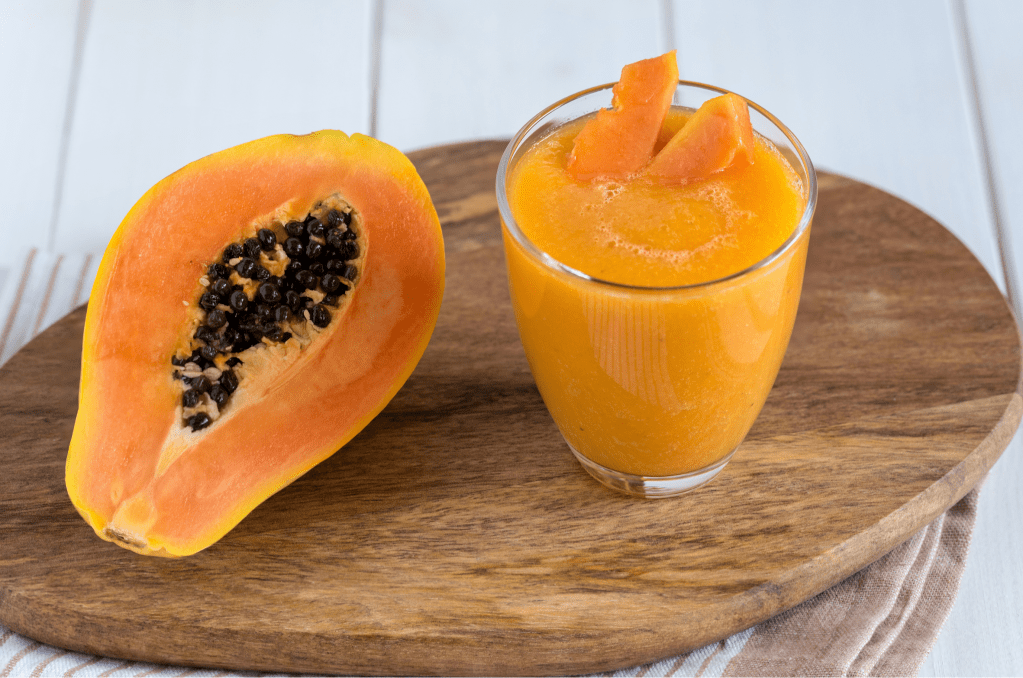
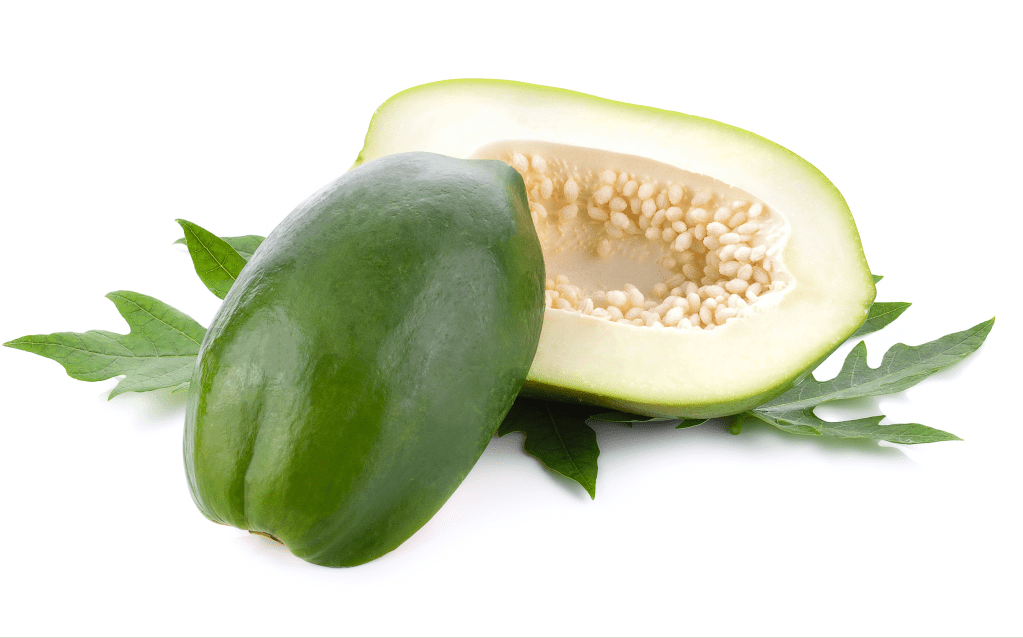
• Ripe papayas are orange in color, and unripe or semi-ripe ones are green on the outside and white inside.
• Depending on the type of papaya you want to eat, the answer can be a yes or a no.
• As per research, unripe or semi-ripe papaya is not safe to eat during pregnancy and periods.
• It was found that unripe or semi-ripe papayas cause spasmodic contractions of the uterus, similar to the contractions produced by the hormone oxytocin.
• Uterus contractions are mainly because of an enzyme called papain in the juices (latex) of unripe papaya, known to cause miscarriage or natural abortion in women.
• This is why unripe or semi-ripe papaya is not safe to consume during pregnancy.
• Researchers, however, concluded that eating ripe papaya is safe during menstrual periods and pregnancy and does not cause any harm to the growing baby or the uterus.
• As per a study,
• there are several side effects of eating unripe or semi-ripe uncooked papaya:
• Miscarriage
• Natural abortion
• Risk of post-implantation pregnancy failure
• Damage or irregularities in the growing baby
• The papain present causes these side effects in the raw, unripe fruit.
• The study revealed that papain causes pregnancy failure by inhibiting progesterone, a hormone responsible for preparing the uterine for a successful pregnancy.
• It also explained that papain in unripe papaya damages the fetus by destroying the vital membranes of the fetus.
• But, Girls can eat ripe papaya during their periods?
• Yes, ripe papaya is perfectly safe to eat during periods and pregnancy.
• It helps digestion and prevents constipation, a common side effect during pregnancy.
• If you eat ripe papaya during your periods, your body will get a good amount of nutrition, vitamins, and minerals.
• Simply avoid eating unripe or semi-ripe papaya during periods as the papain content in the fruit might increase menstrual pain due to increased uterine contractions.
• This apart, eating unripe papaya does not cause toxicity, uterine damage, or reproductive organ damage.
• That is why it is ok to consume unripe or semi-ripe papayas with precaution during your periods.
• You can always stop eating the fruit if you experience pain.
Eating papaya during periods have the following benefits:
Regularise your period cycle:
• Eating papaya may help prevent delayed, irregular, or short periods.
• The presence of lycopene, carotenoids, essential vitamins and minerals in papaya increases estrogen levels, a hormone responsible for regularizing the menstrual cycle.
Strengthen uterine muscles:
• Papaya improves blood flow to the uterus muscles and makes them efficient.
• So, Girls Can Eat Papaya During their Periods ?
• While papaya during periods is safe, it is sensible to take a few precautions.
• Unripe papaya contains the papain enzyme, which is known to increase uterine contractions and cause menstrual pain and discomfort.
• If you notice any pain or discomfort after consuming papaya, stop immediately.
• In a nutshell, yes, you can eat ripe papaya during periods, but it’s best to avoid unripe papaya during periods.
References
Farhan Saeed, Imran Pasha, July 2012; Nutritional and Phyto-Therapeutic Potential of Papaya (Carica Papaya Linn.): An Overview –
P Ganesan Adaikan, R N V Prasad, August 2012; Papaya (Carica papaya) consumption is unsafe in pregnancy: fact or fable? Scientific evaluation of a common belief in some parts of Asia using a rat model –
• If you’re wondering how to remove tan from your legs and hands at home, you can use these natural home remedies to remove sun tan from any part of your body, whether you have collected the tan from walking around the city or relaxing at the beach for days on end.
• Your whole body can benefit from these remedies – from your neck to your legs to your hands – without having to worry about side effects.
Turmeric & Curd
• Turmeric brightens the skin and helps to improve uneven skin tone, while curd contains probiotics that alleviate skin dryness and improve skin tone.
• Combine one tsp of turmeric powder with a bowl of curd, and massage the mixture on your tanned hands and legs.
• Leave it on for 20 minutes, then rinse it off.
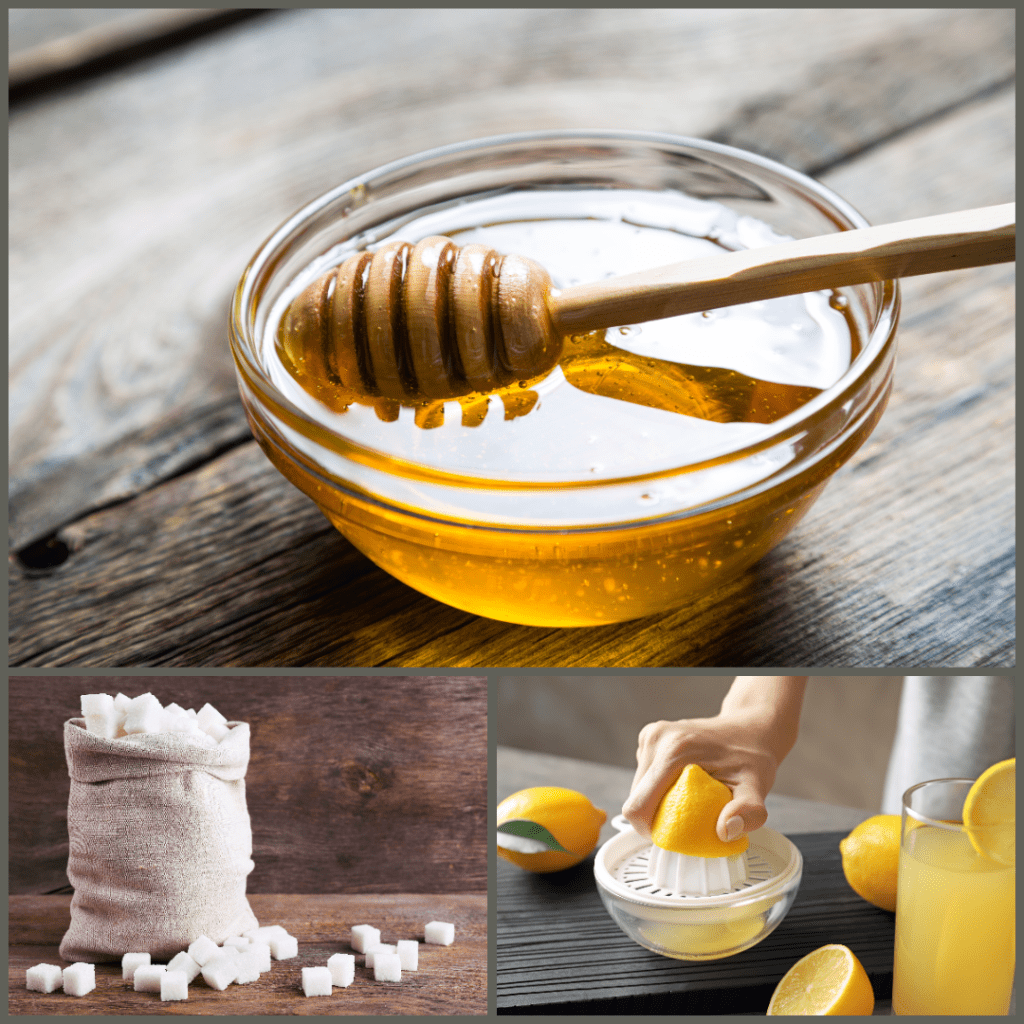
Lemon Juice & Sugar/Honey
• The benefits of lemon juice for the skin extend beyond its natural bleaching effects, as it is an antioxidant that helps to eliminate all types of skin impurities.
• Lemons contain a good amount of ascorbic acid, which helps to lighten the skin.
• Vitamin C and citric acid in lemons are great for your skin and especially treat sun-damaged skin, as well.
• Combine honey or sugar with lemon juice and use it to scrub your feet, hands, and legs.
• Rub gently on the affected areas for 15 minutes and then rinse afterwards.
• Alternatively, you can bathe your tanned hands in a warm bowl of lemon juice for 20 minutes.
• Then rinse your hands thoroughly and moisturise them to counteract the drying effect of the acidic lime juice.
• If you prefer, apply fresh lemon juice directly to the palms of your hands before going to bed, similar to applying a serum or lotion, and thoroughly massage your hands and wrists.
Cucumber & Curd
• Its natural skin-enhancing properties are the reason many experts recommend it for reducing under dark eye circles.
• It is very effective at preventing tanning while also thoroughly moisturising.
• This natural skin lightener can help you achieve an even-toned look for your hands with its astringent properties.
• Add a couple of drops of rose water to a bowl of cucumber pulp and equal amounts of curd to make a paste.
• After applying it to your hands evenly, wait 15 minutes and wash them with cold water.
• A suntan can be removed from hands and legs faster by applying this daily.
• You can also simply rub the back of your hands with a slice of cucumber for at least 10 minutes to reduce the damage that UV rays cause.
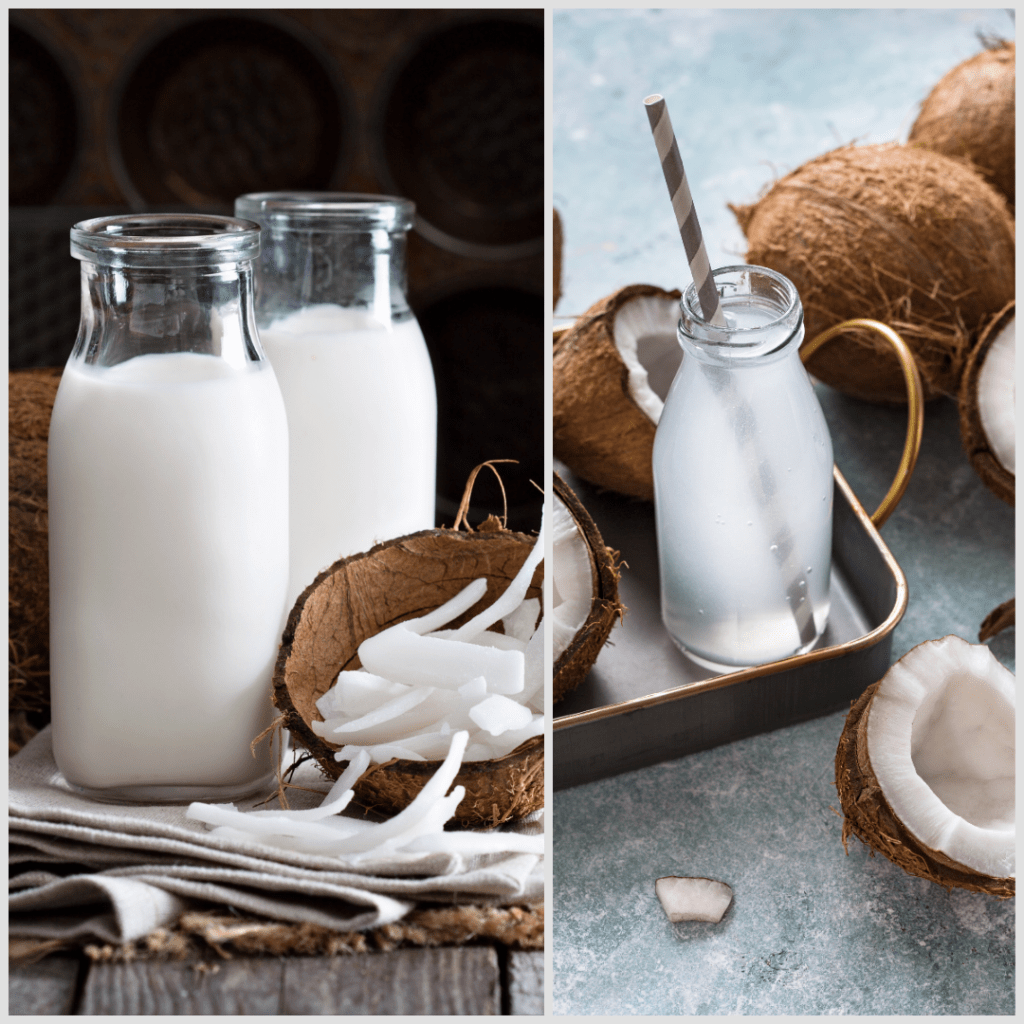
Coconut Water or Coconut Milk
• Known as the ultimate skin-soothing ingredient, lauric acid is present in coconut water and coconut milk, providing relief from sunburn and suntan irritation.
• The vitamin C in coconut water has natural lightening benefits as well as restoring the skin’s pH balance.
• 3-4 times a day, rinse your hands with coconut water or coconut milk. Let them soak in completely, then wash them off with mild soap.
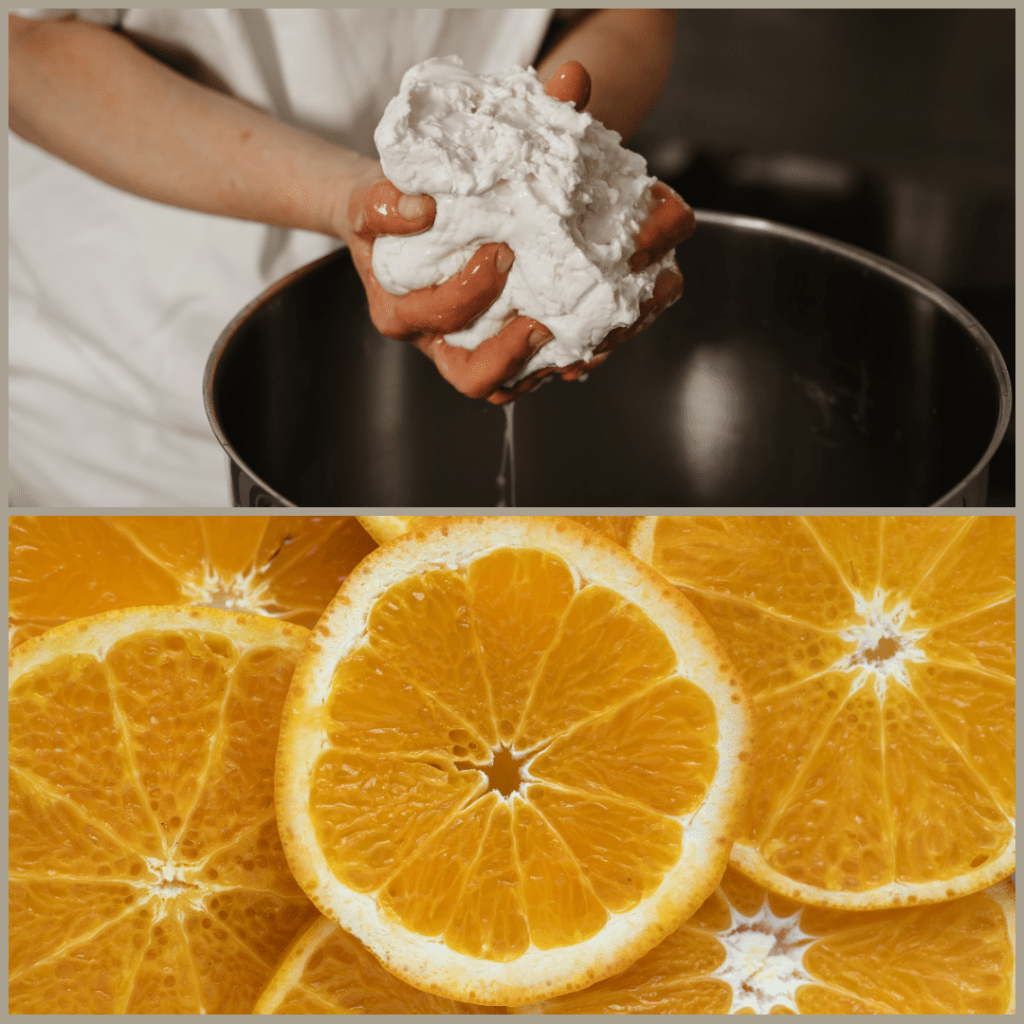
Orange & Curd
• Orange is a fruit that contains the goodness of vitamin C, a substance that is readily absorbed by the skin.
• This makes orange an effective ingredient for removing tans from the hands and legs.
• Combine one tbsp dried orange peel with one cup of curd, then mix in some freshly squeezed orange juice drops to make a pack.
• Gently apply the pack to your hands, arms and legs, then rinse them with cold water after 10-15 minutes.
• You can repeat this process two to three times weekly.
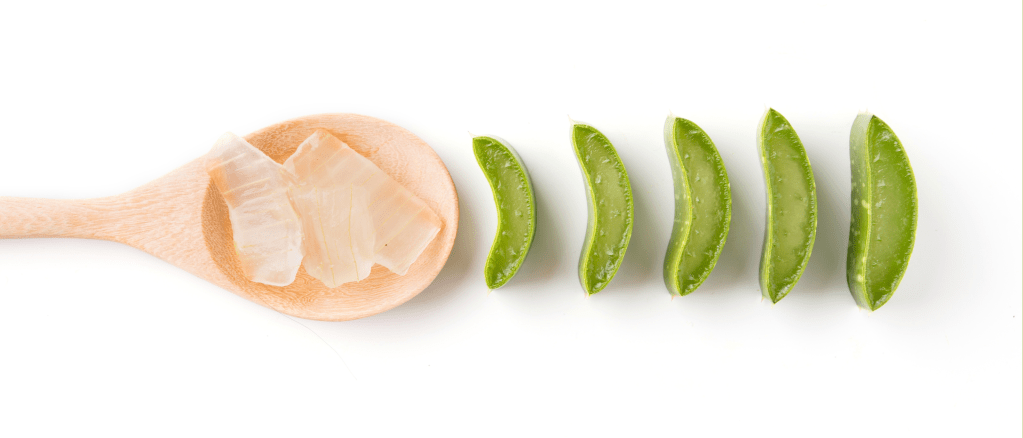
Aloe Vera
• In addition to healing and smoothing the skin, aloe vera provides relief from sunburns and suntan, thanks to the antioxidants contained within.
• Aloe vera gel can be obtained from the sap of the leaf. Squeeze some fresh aloe vera gel onto your hands.
• You can leave it on overnight, then wash it off the following morning.
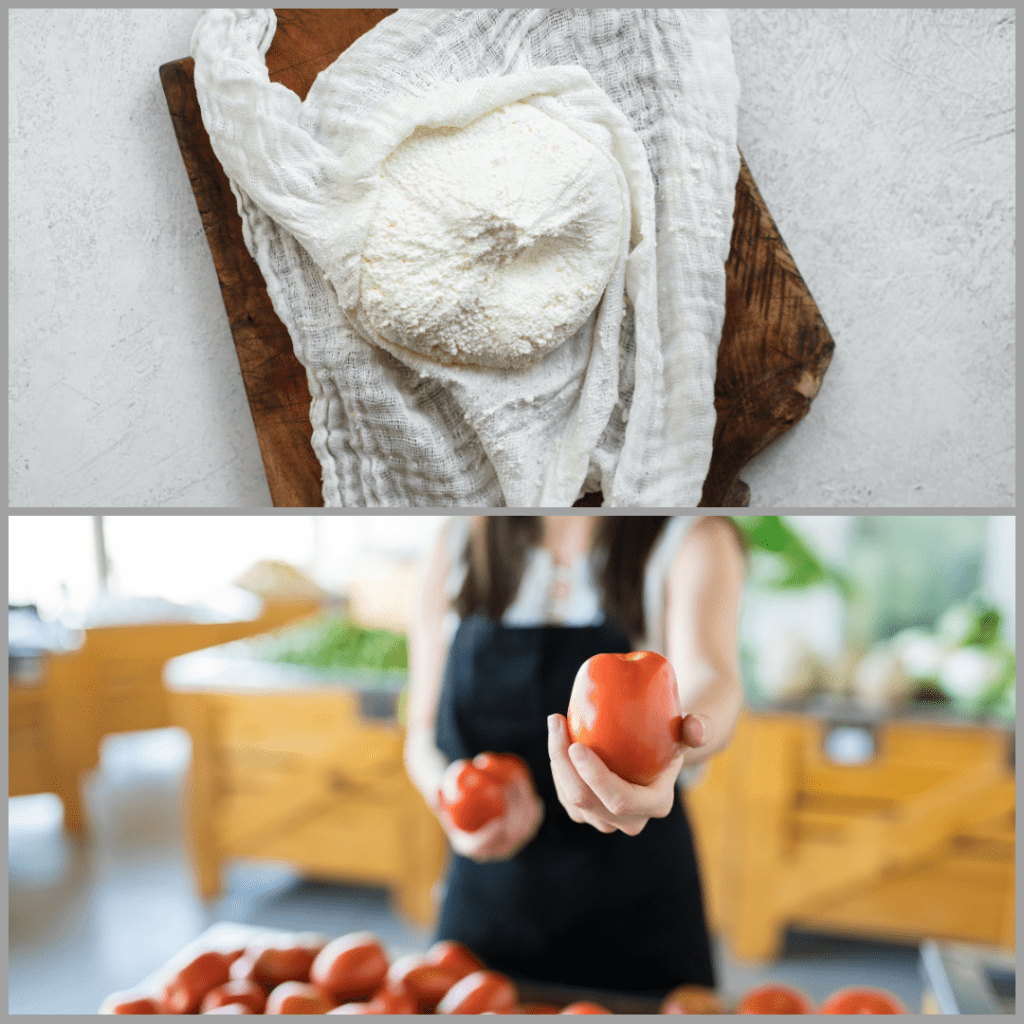
Tomato & Curd
• Lycopene, which is found naturally in tomatoes, acts as a sunscreen for the skin, while antioxidants help to prevent cellular damage and treat inflammation, particularly in the legs, which is why it’s a great anti-tan pack.
• Mix one tbsp tomato pulp with one tbsp curd and one tsp honey in a bowl.
• After applying the pack to feet and legs, allow them to dry for 10-15 minutes and then rinse them off with warm water.
• You will need to repeat this process two or three times a week.
Turmeric, Cucumber & Lemon Juice
• You can prepare a paste by adding a few drops of lemon juice and turmeric powder to the cucumber juice.
• Then rinse it off after applying the paste and leaving it on for half an hour.
• You will feel your skin looking refreshed and vibrant again.
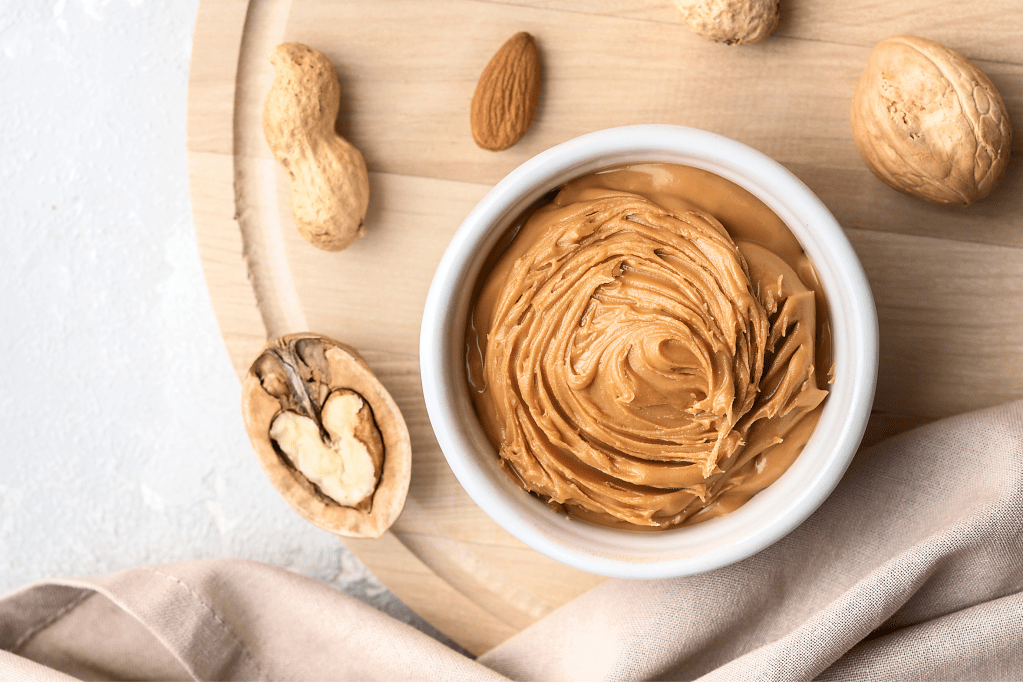
Almond Paste
• Almonds have properties that help remove tan and provide skin nourishment and healing from the sun.
• They are also rich in Vitamin E and riboflavin, which are thought to promote healing of the skin.
• Soak 5 to 6 almonds overnight, and then make it into a paste by adding milk or rose water.
• Apply the paste, let it sit overnight, then wash it off the following day.
Sandalwood & Fresh Cream
• Sandalwood is considered one of the best ingredients for the removal of skin tan as it helps lighten the skin colour and provide glow and softness to the skin.
• Fresh cream is also very hydrating and radiates your skin.
• To make this de-tan cream, mix one tbsp of sandalwood powder with equal parts of fresh cream and use it after bathing on affected areas every day.
Pineapple & Honey
• Since pineapple is a citrus fruit and contains ascorbic acids, which is able to brighten and hydrate the skin naturally.
• Prepare a thick paste by mixing two tbsp of pineapple pulp with one tbsp of honey. Then, apply and let the paste sit on both hands and feet for 10-15 minutes before rinsing with cold water.
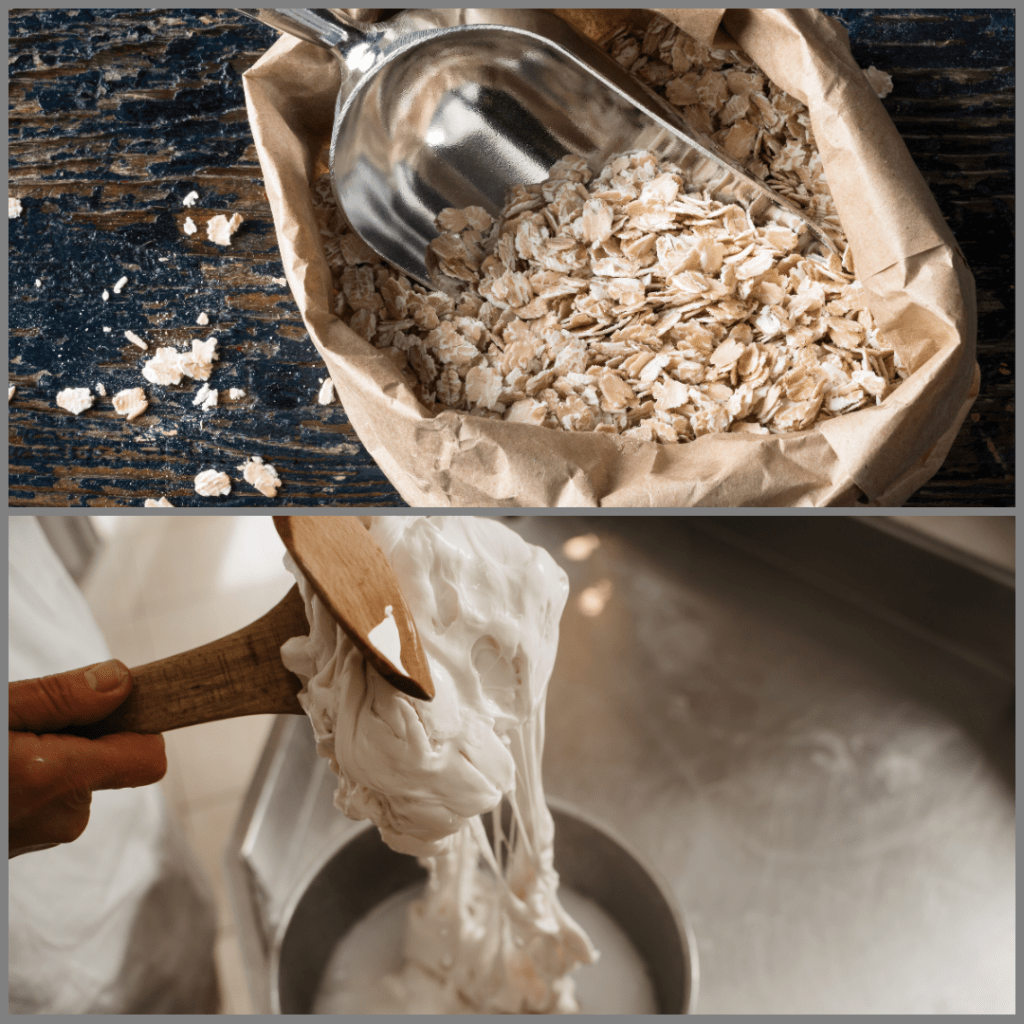
Oats & Buttermilk Cream
• As an excellent exfoliator and skin cleanser, oatmeal helps you remove dead skin cells and removes sun tan from your hands and face.
• Lactic acid found in buttermilk eliminates tan, moisturises skin and radiates your skin.
• Prepare a creamy paste by mixing two tablespoons of powdered oats with buttermilk and a few drops of rose water.
• Gently massage the mix into the hands for 10 minutes before rinsing them with cold water.
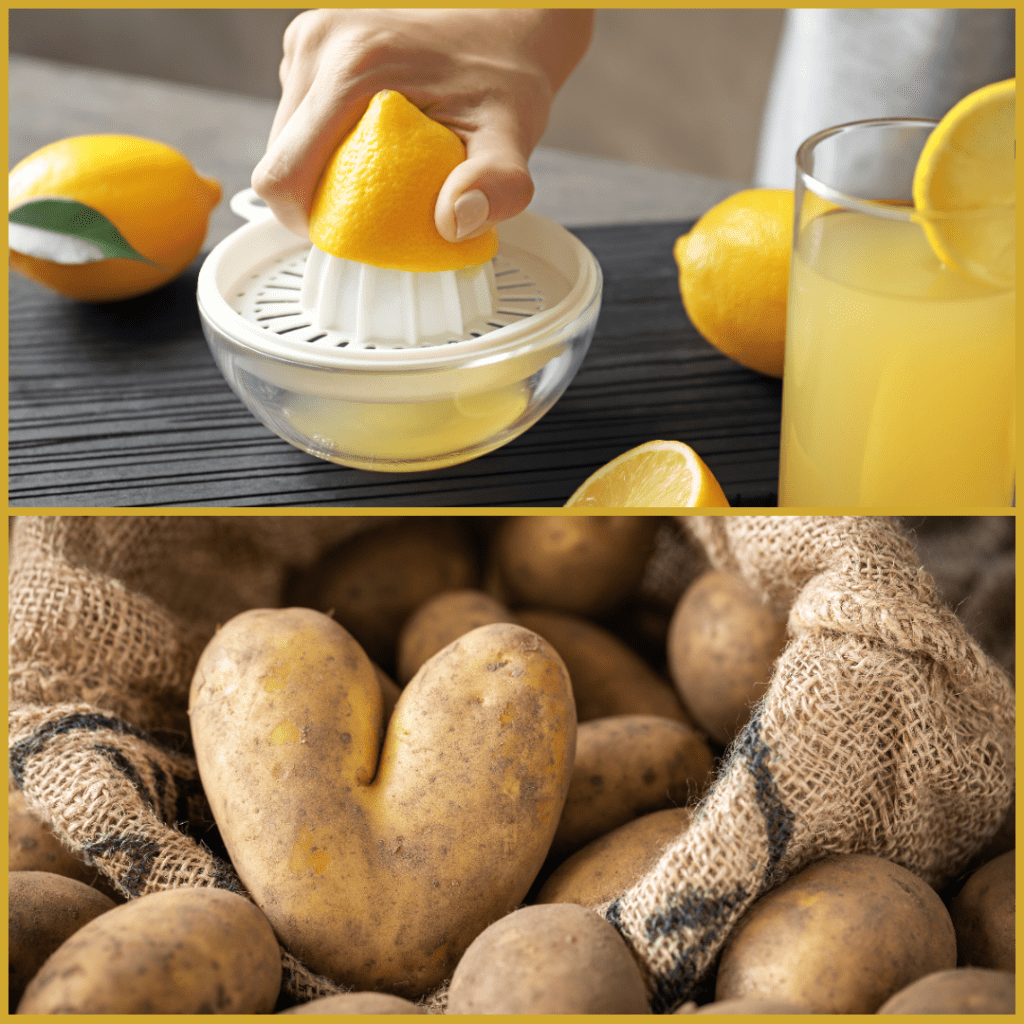
Potato And Lemon Juice
• The anti-tanning properties of potatoes are attributed to their natural bleaching enzymes which help lighten even heavily tanned skin.
• Make a potato and lemon juice paste, apply it to your legs and hands for 15-20 minutes and then wash it off with cold water.
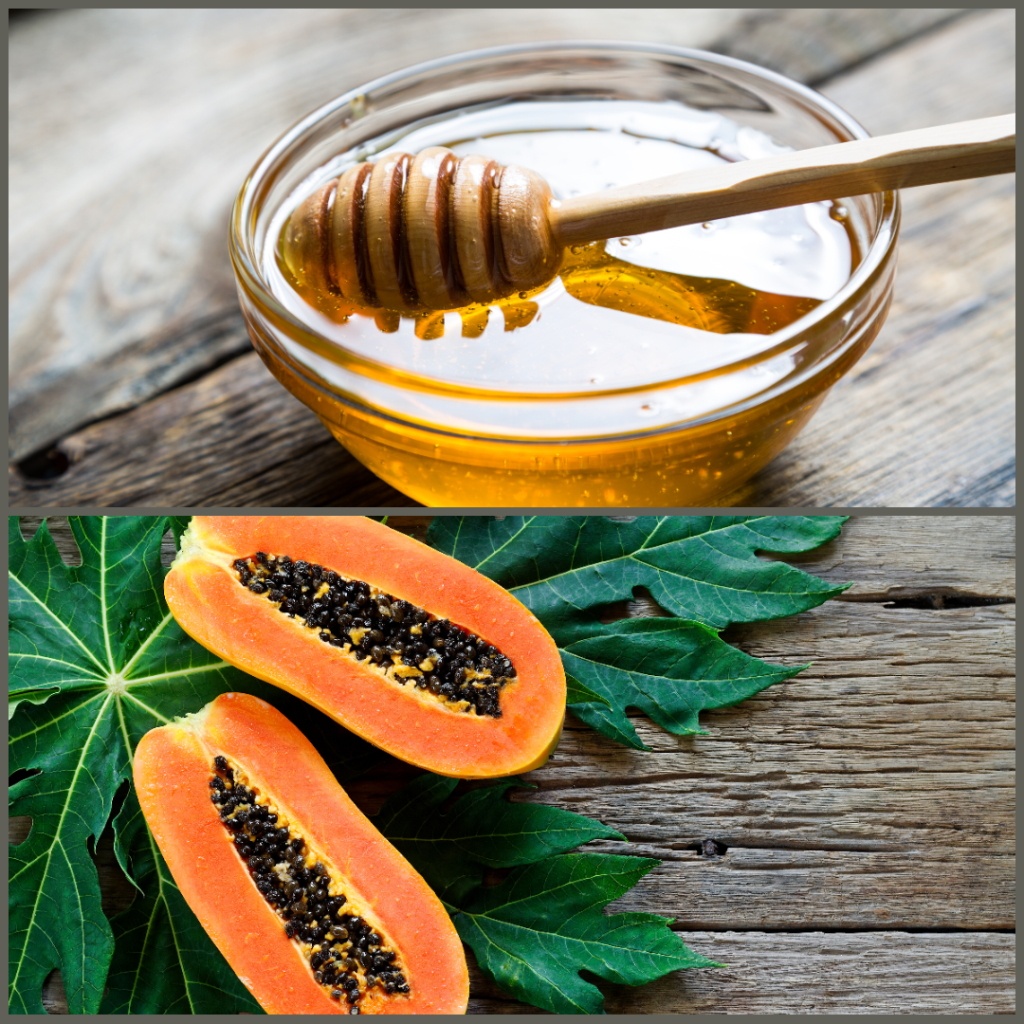
Papaya & Honey
• Due to its papain enzyme, papayas are ideal for removing tans from hands, reducing blemishes on the skin and reducing skin spots.
• Additionally, it contains vitamin A and C, which help the skin regenerate cells and eliminate the tan.
• Put ripe papaya cubes in a bowl and mash, and mix with one tbsp of honey to make a paste.
• Apply all over your hands and legs for about 10 to 15 minutes, then rinse off.
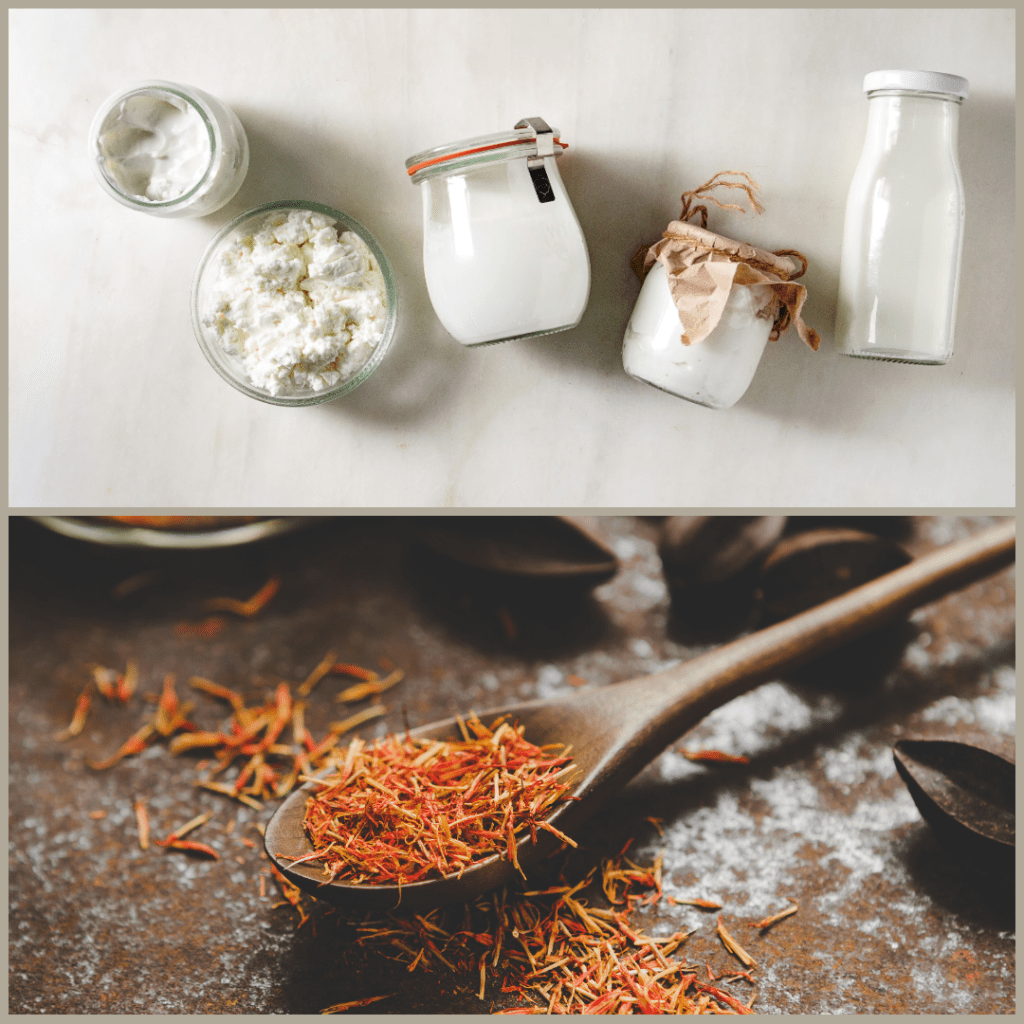
Saffron & Milk
• As an anti-tan agent and anti-inflammatory agent, saffron is a great ingredient for removing sun tan and adding a natural glow to the skin.
• Take a few saffron strands and soak them in milk for 15-20 minutes. Apply the milk to the affected areas and cleanse.
Pro Tips to Prevent Tan
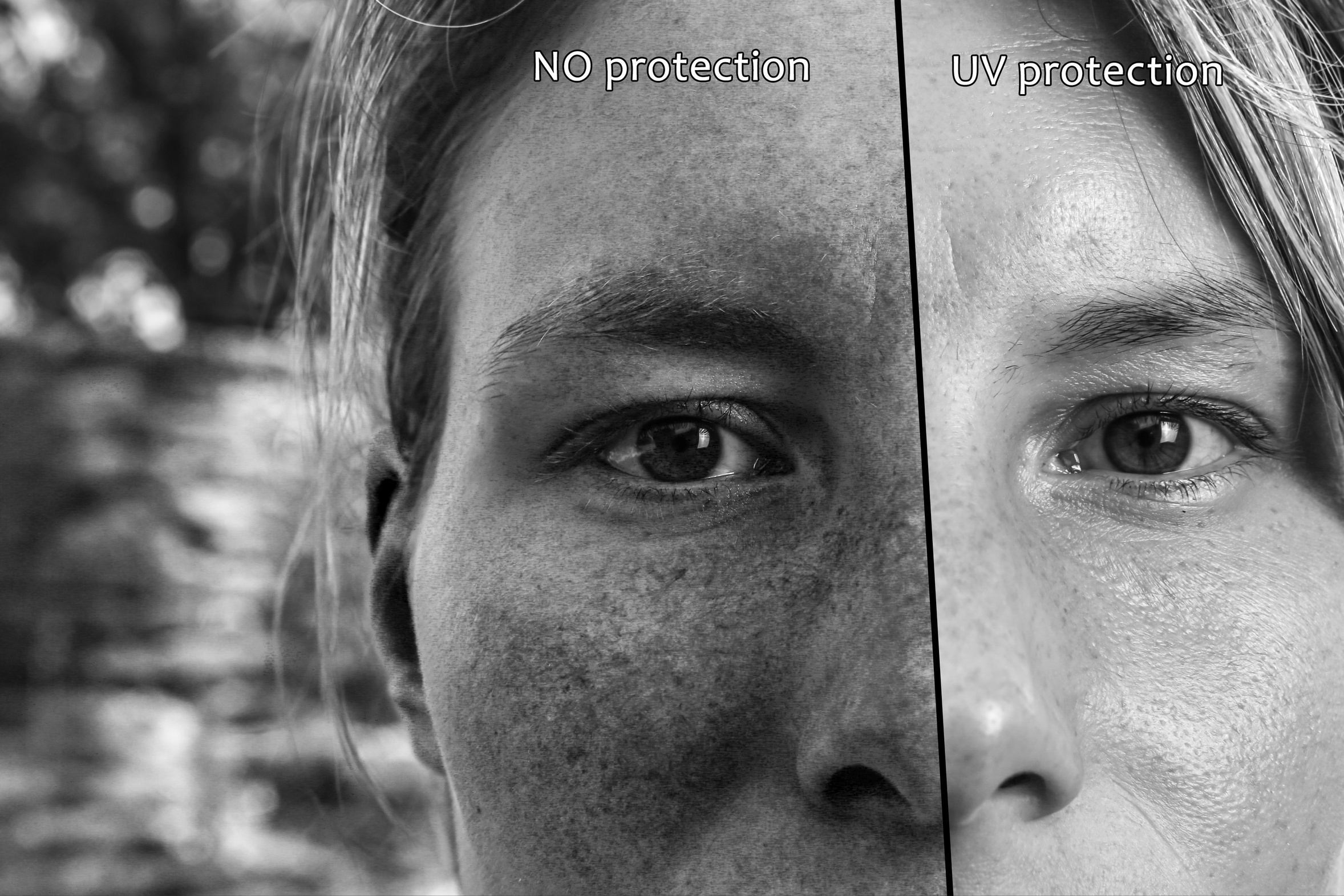
• While you can simply churn a few homemade remedies to get rid of the stubborn tan, here are a few quick tips to prevent the tan in the first place.
• Avoid going out at peak sunlight hours, typically from 10 am to 4 pm.
• Wear protective clothing such as scarves, sunglasses, shrugs, etc., that provides full coverage whenever stepping out.
• Wear a high SPF sunscreen lotion or cream (over 30 or 40) on your face, neck, hands, arms, legs, and feet daily.
• Wash your face and hands after getting home to soothe your skin from the harmful rays of the sun.
• Hydrate yourself as much as you can through water and cold foods to keep your body cool and fight off the heat from the inside.
Summing Up on How to Remove Tan From Hands and Legs
• When you administer these remedies regularly, you will notice a significant improvement in your complexion, but you must also take into account your diet when trying to remove tan naturally.
• Maintain hydration throughout the day by drinking 15 to 20 glasses of water at a minimum.
• Ensure that you consume foods that contain antioxidants, such as vegetables, fruits, juices, and smoothies, to increase collagen production.
• By following such a diet, you will be able to get rid of any tan that you may have and keep your skin healthy.
• You should always seek out help from a medical professional if you notice severity in your tanning condition rather than just dwelling on the home remedies.
References
Amar Surjushe, Resham Vasani, 2008; ALOE VERA: A SHORT REVIEW –
• Perhaps you are still dieting and don’t know it…!
• There are many eating styles that are actually unconscious forms of dieting.
• Many of our patients have said they were not on a diet—but upon closer inspection of what and how they eat we found they were still dieting.
• Here’s a good example.
• Lohith came in because he wanted to lose about fifteen kgs.
• He said that in his fifty years of living, he had only been on four serious diets.
• He stated, “You work with a lot of serious dieting problems … well I’m not one of those.”
• Lohith clearly did not see himself as a dieter, merely a careful eater.
• Yet it turned out that he was an unconscious dieter.
• Although Lohith was not actively dieting, he was undereating to a level where he was nearly passing out in the afternoon.
• The reason—he had always been unhappy with his weight.
• In the mornings he would go for an intense hilly bike ride for one hour, then come home and eat a small breakfast.
• Lunch was usually salad with iced tea (while this sounds healthy, it’s too low in carbohydrates).
• By suppertime, his body would be screaming for food.
• Lohith was not only in a severe calorie deficit, but also carbohydrate-deprived.
• Evenings turned into a food fest. Lohith had thought he had a “food volume” problem with a strong sweet tooth.
• In reality, he had an unconscious diet mentality that biologically triggered his night eating and sweet tooth.
• Akhila also was not a conscious dieter. She came in not to lose weight, but because she wanted to increase her energy level.
• During the initial session, it became clear that she had complicated issues with food. So she was asked if she had been dieting a lot. She looked astonished.
• “How did you know that I’ve been on zillions of diets?” While Akhila claimed to be okay with her current weight, she was still at war with food; she didn’t trust herself with food.
• As it turns out, Akhila had been dieting since she was a child.
• Although she was not officially dieting, she retained (and expanded) a set of food rules with each diet that nearly paralyzed her ability to eat normally.
• We see this all the time, the hangover from dieting: Avoiding certain foods at all costs, feeling out of control the moment a “sinful” food is eaten, feeling guilty when self-imposed food rules are broken (such as “Thou shall not eat past 6:00 P.M.”), and so on.
• Unconscious dieting usually occurs in the form of meticulous eating habits.
• There can be a fine line between eating for health and dieting.
• Notice how even the frozen diet foods such as Lean Cuisine and Weight Watchers are putting their emphasis on health rather than diet.
• As long as you are engaged in some form of dieting, you won’t be free from food and body worries.
• Whether you are a conscious or an unconscious dieter, the side effects are similar—the diet backlash effect.
• This is characterized by periods of careful eating, “blowing it,” and paying penance with more dieting or extra-careful eating.
• We will explore the various dieting/eating styles to help see where you are now.
THE EATING PERSONALITIES
• Later, you will meet the Intuitive Eater and the Intuitive Eating style, the solution to living without diets.
• To help you clarify your eating (or dieting) style, we have identified the following key categories of eaters that exhibit characteristic eating patterns:
• The Careful Eater, the Professional Dieter, and the Unconscious Eater.
• These eating personalities are exhibited even when you are not officially dieting.
• It’s possible to have more than one eating personality; although we find that there tends to be a dominant trait.
• Events in your life can also influence or shift your eating personality.
• For example, one client, a tax attorney, was normally a Careful Eater, but during tax season he became the Chaotic Unconscious Eater.
• There’s nothing wrong with possessing the eating characteristics described under the three eating personalities.
• But when your eating exists in one of these domains most of the time, it can be a problem.
• Read through each eating personality and see which one best reflects your eating style.
• By understanding where you are now, it will be easier to learn how to become an Intuitive Eater.
• For example, you may find you have been engaged in a form of dieting, and not even have been aware of it.
• Or you may discover traits that unknowingly work against you.
The Careful Eater
• Careful Eaters are those who tend to be vigilant about what foods they put into their bodies.
• Lohith was an example of a Careful Eater (by day). • On the surface, Careful Eaters appear to be “perfect” eaters.
• They are highly nutrition-conscious. Outwardly, they seem health and fitness-oriented (noble traits admired and reinforced in our society).
• Eating Style. There is a range of food behaviors that the Careful Eater exhibits.
• At one extreme, the Careful Eater may anguish over each morsel of food allowed into the body.
• Grocery shopping trips are spent scrutinizing food labels.
• Eating out often means interrogating the waiter—what’s in the food, how the food is prepared—and getting assurances that the food is cooked specifically to the Careful Eater’s liking (usually not one speck of oil or other fat used).
• What’s wrong with this? Aren’t label reading and assertive restaurant ordering in the health interest of most people? Of course…!
• The difference, however, is the intensity of the vigilance and the ability to let go of an “eating indiscretion.”
• Careful Eaters tend to undereat and to monitor the quantity of food eaten.
• The Careful Eater can spend most of his or her waking hours planning out the next meal or snack, often worrying about what to eat.
• While the Careful Eater is not officially on a diet, his or her mind is—chastising every “unhealthy” or fatty food eaten.
• The Careful Eater can run the fine line between being genuinely interested in health, and eating carefully for the sake of body image.
• Sometimes the Careful Eater is guided by time or events. For example, some Careful Eaters are meticulous during the weekdays, so that they earn their “eating right” to splurge on the weekends or at an upcoming party.
• But weekends occur 104 days of the year—the splurges can backfire with unwanted weight gain. Consequently, it’s not unusual for a Careful Eater to contemplate going on a diet.
• The Problem. There’s nothing wrong with being a Careful Eater and interested in the well-being of your body.
• The problem occurs, however, when diligent eating (almost bordering on militant) affects a healthy relationship with food—and negatively impacts your body.
• Careful Eaters, upon closer inspection, resemble a subtle dieting style. They may not diet, but they scrutinize every food situation.
The Professional Dieter
• Professional Dieters are easier to identify; they are perpetually dieting.
• They have usually tried the latest commercial diet, diet book, or new weight-loss gimmick.
• Sometimes dieting takes place in the form of fasting, or “cutting back.”
• Professional Dieters know a lot about portions of foods, calories, and “dieting tricks,” yet the reason they are always on another diet is that the original one never worked.
• Today, the Professional Dieter is also well-versed in counting carbohydrate grams.
• Eating Style. Professional Dieters also have careful eating traits.
• The difference, however, is that chronic dieters make every eating choice for the sake of losing weight, not necessarily for health.
• When the dieter is not officially on a diet, he or she is usually thinking about the next diet that can be started.
• She often wakes up hoping this will be a good day— the new beginning.
• While Professional Dieters have a lot of dieting knowledge, it doesn’t serve them well.
• It’s not unusual for them to binge or engage in Last Supper eating the moment a forbidden food is eaten. That’s because chronic dieters truly believe they will not eat this food again; for tomorrow they diet, tomorrow they start over with a clean slate.
• Better eat now, it’s the last chance. Not surprisingly, the Professional Dieter gets frustrated at the futility of the vicious cycle.
• Diet, lose weight, gain weight, binge intermittently, and go back to dieting.
• The Problem. It’s hard to live this way. Yo-yo dieting makes it increasingly difficult to lose weight, let alone eat healthfully.
• Chronic undereating usually results in overeating or periodic binges.
• For some Professional Dieters, the frustration of losing weight becomes so intensified that they may try laxatives, diuretics, and diet pills.
• And because these “diet aids” do not work, they may try extreme methods such as chronic restricting, in the form of anorexia nervosa, or purging (throwing up after a binge), in the form of bulimia.
• While anorexia and bulimia are multifactorial and rooted with psychological issues, a growing body of research has demonstrated that chronic dieting is a common stepping-stone into an eating disorder.
• One study in particular found that by the time dieters reach the age of fifteen years, they are eight times as likely to suffer from an eating disorder as non-dieters.
The Unconscious Eater
• The Unconscious Eater is often engaged in paired eating—which is eating and doing another activity at the same time, such as watching television and eating, or reading and eating.
• Because of the subtleties, and lack of awareness, it can be difficult to identify this eating personality.
• There are many subtypes of Unconscious Eaters. • The Chaotic Unconscious Eater often lives an over-scheduled life, too busy, too many things to do.
• The chaotic eating style is haphazard; whatever’s available will be grabbed—vending machine fare, fast food, it’ll all do.
• Nutrition and diet are often important to this person—just not at the critical moment of the chaos.
• Chaotic Eaters are often so busy putting out fires that they have difficulty identifying biological hunger until it’s fiercely ravenous.
• Not surprisingly, the Chaotic Eater goes long periods of time without eating.
• The Refuse-Not Unconscious Eater is vulnerable to the mere presence of food, regardless if he or she is hungry or full.
• Candy jars, food lying around at meetings, food sitting on a kitchen counter will not usually be passed up by the Refuse-Not Eater.
• Most of the time, however, Refuse-Not Eaters are not aware that they are eating, or how much they are eating.
• For example, the Refuse-Not Eater may pluck up a couple of candies on the way to the restroom without being aware of it.
• Social outings that revolve around food such as cocktail parties and holiday buffets are especially tough for the Refuse-Not Eater.
• The Waste-Not Unconscious Eater values the food dollar. His or her eating drive is often influenced by getting as much as you can for the money.
• The Waste-Not Eater is especially inclined to clean the plate (and others as well).
• It’s not unusual for a Waste-Not Eater to eat the leftovers from children or spouse.
• The Emotional Unconscious Eater uses food to cope with emotions, especially uncomfortable emotions such as stress, anger, and loneliness.
• While Emotional Eaters view their eating as the problem, it’s often a symptom of a deeper issue.
• Eating behaviors of the Emotional Eater can range from grabbing a candy bar in stressful times to chronic compulsive binges of vast quantities of food.
• The Problem. Unconscious eating in its various forms is a problem if it results in chronic overeating (which can easily occur when you are eating and not quite aware of it).
• Keep in mind that somewhere between the first and last bite of food is where the lapse of consciousness takes place. As in, “Oh, it’s all gone!”
• For example, have you ever bought a large box of candy at the movies and begun to eat it only to discover your fingers suddenly scraping the bottom of the empty box? That’s a simple form of unconscious eating.
• But unconscious eating can also exist at an intense level, in a somewhat altered state of eating.
• In this case, the person is not aware of what is being eaten, why he started eating, or even how the food tastes. It’s like zoning out with food.
“If you don’t love it, don’t eat it, and if you love it, savor it.”
– Evelyn Tribole
Verbalized by- Dr. Suhas B BNYS, DBHS, DCL, DCP Health and Wellness Blogger Sustainable Lifestyle Influencer Holistic Cuisinier FOUNDER | DIGITAL CREATOR | BLOGGER |ENTREPRENEUR
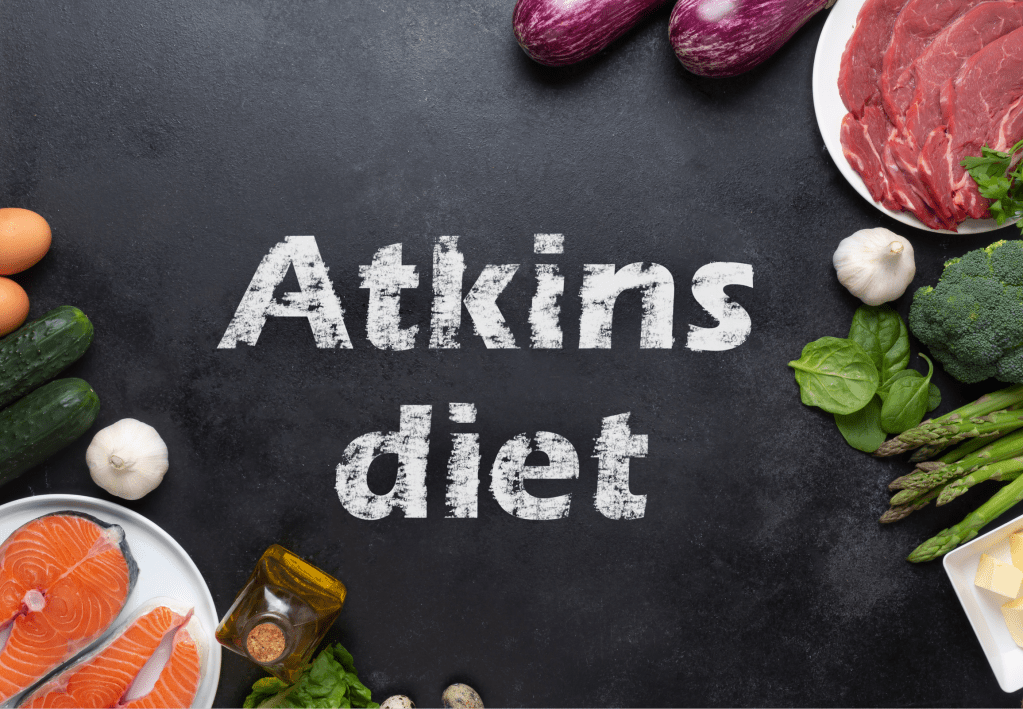
• The Atkins diet was first introduced to American markets during the 1960s.
• It was ridiculed for more than 30 years, not only as a fad diet but as dangerous nonsense as well.
• Some non-randomized studies were reported after the turn of the century and many before that.
• All those short term studies had shown that the Atkins diet and similar low-carbohydrate diets can initially bring better results than conventional low-calorie, low-fat dietary regimens.
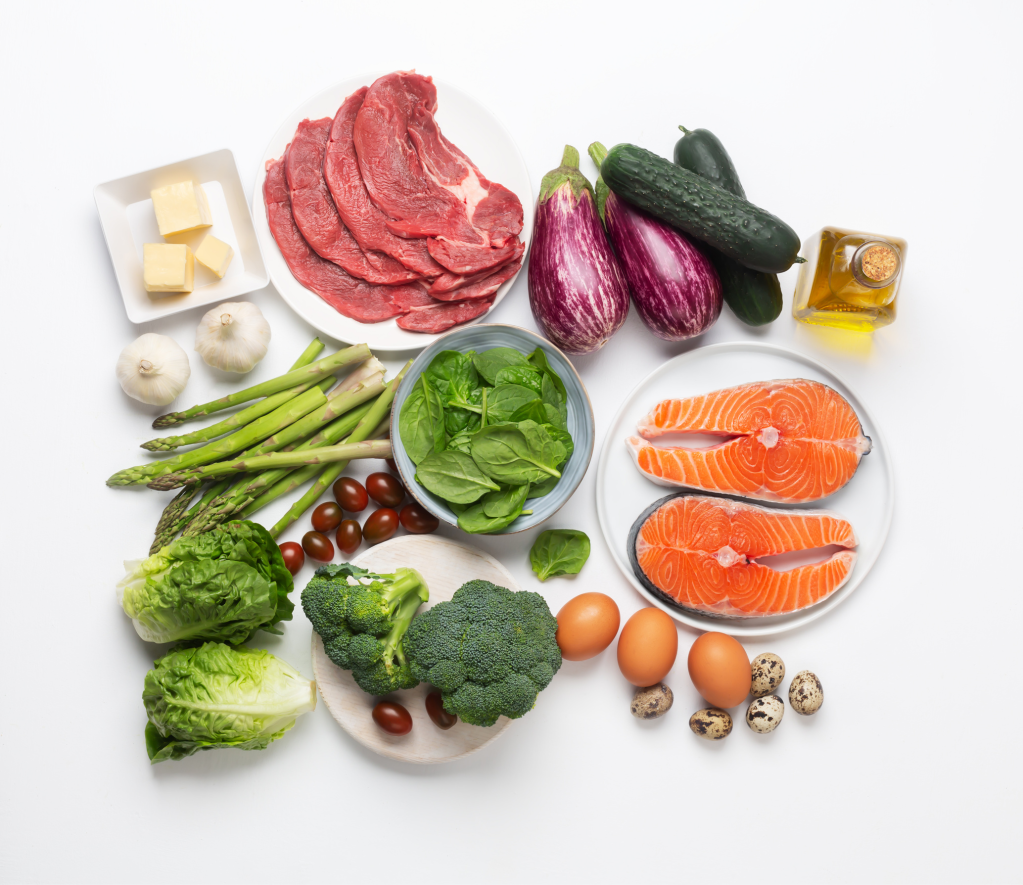
• In addition to its probable favourable effect on body weight, the popularity of the Atkins diet stemmed from the freedom it offers to consume as much protein and fat (for example meat, fish, chicken, eggs and cheese) as the dieter wishes, while carbohydrate intake must be restricted to no more than 20g a day, initially.
• However, numerous studies have shown that low carbohydrate diets are unlikely to produce significant long-term weight loss and may lead to serious health problems.
• The caution of leading medical and nutrition organizations worldwide against all low carbohydrate diets stems from the fact that these diets greatly increase fat and protein consumption, which could lead to many serious ill effects, and greatly restrict consumption of essential nutrients: minerals, trace elements and vitamins, and fiber—all of which promote improved health and help prevent many diseases.
• To start with, low-carbohydrate diets force the body to use fats as the main energy source, leading to ketosis.
• The brain, thereby devoid of its main energy source, glucose, is forced to make use of the metabolic breakdown products of fats and ketone bodies, leading to common side effects: nausea, dizziness, constipation, headache, fatigue, and smelly breath.
• In addition, ketosis leads to metabolic dehydration whereby the body consumes its own water stored within the body’s broken down proteins, leading to initial additional weight loss probably over and above that caused by a conventional low-calorie, low-fat diet.
• However, being unrealistic and unconventional, the low-carbohydrate diet is neither palatable nor enjoyable enough to be followed for a long time, resulting ultimately in an insignificant difference in weight loss compared with low-calorie, low-fat diets—hence the inability to conclude with confidence whether the weight loss is actually due to the low-carbohydrate diet.
• This was clearly highlighted by the two longest (12 months) randomised investigations.
• Moreover, weight loss due to low-carbohydrate dietary regimens is unsustainable when carbohydrates would and should be reintroduced as a logical return to normal dietary habits as clearly manifested by the report of the United States National Weight Control Registry, which analysed diets of 2681 individuals who followed a low-carbohydrate dietary regimen.
• The report indicated that those who maintained at least 30 lb/~13 kg weight loss after a year or more and who still follow a low-carbohydrate diet (<24% energy from carbohydrate) constituted <1% of the sample studied.
• The American Heart Association was one of the pioneers in issuing a warning against high-protein, high-fat, low-carbohydrate diets as a means of losing weight.
• This warning Supan ported an earlier one: “ the very high fats of Atkins diet: 60%–68%, around 26% of which are saturates, through shifting the metabolic pathway for energy production, deliver a strong boost to free radical production, thereby increasing oxidative stress on different organs ”.
• For example, the increased oxidative stress on the heart muscle coupled with the low potassium in cardiac tissues resulting from the loss of minerals due to metabolic dehydration could have serious, even fatal, consequences.
• Moreover, the increased oxidative stress coupled with reduced fiber intake of a low-carbohydrate diet increases the risk of cancer of the lungs and gastrointestinal tract.
• The Atkins diet and similar low-carbohydrate diets could have other deleterious effects as well.
• The high protein of a low-carbohydrate diet could lead to hyperuricemia (leading to joint pain and gout) and hypercalcuria (leading to kidney stones, hypocalcaemia, and osteoporosis).
• Moreover, a Harvard study showed that high protein diets may cause permanent loss of kidney function in any one with reduced kidney function, a not uncommon probability since as many as one in four Americans, for example, may already have kidney problems.
• The American Diabetes Association also cautioned against use of low-carbohydrate diets.
• Studies in healthy subjects and those at risk of type 2 diabetes support the importance of including foods containing carbohydrates from whole grain, fruits, vegetables and low-fat milk in the diet.
• The same view has been adopted by the American College of Preventive Medicine and the American Dietetic Association.
• In conclusion, it is imperative to stress the importance of losing weight in a healthy manner that neither exerts added stress on the body’s vital organs nor leads to weight snap back when carbohydrates are reintroduced in due course.
• In addition, it is essential to stress the point that “ The greatest health benefits are derived from diets low in saturated fats and high in complex carbohydrates and fiber that increase insulin sensitivity and reduce coronary heart disease risk.
If you keep good food in your fridge, you will eat good food. – Errick McAdams
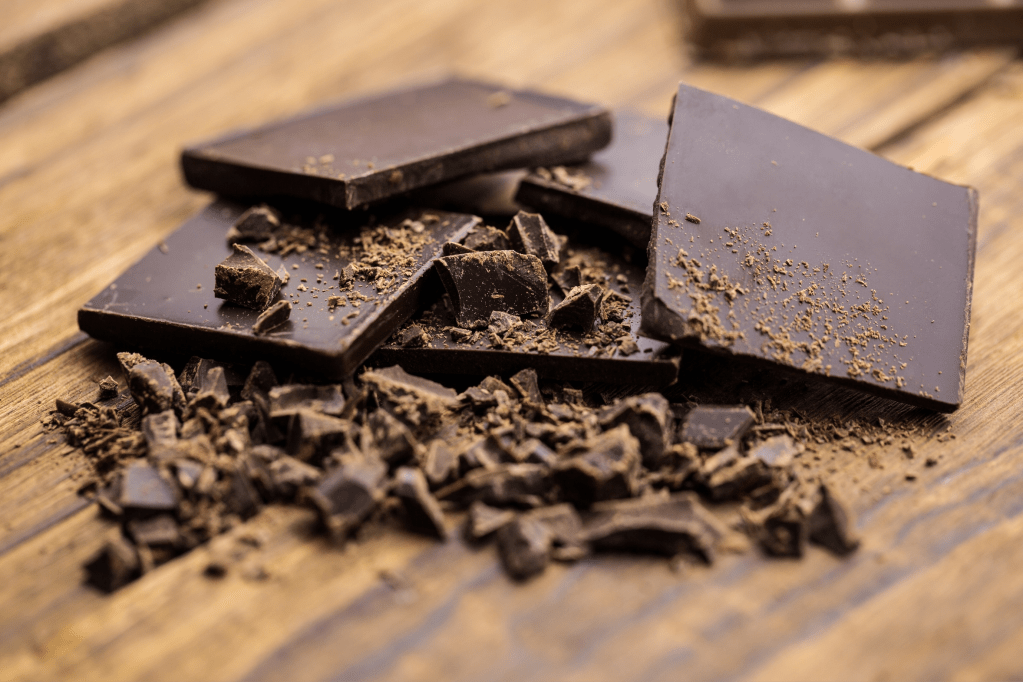
• The flavonols in dark chocolate may help lower blood sugar and reduce the risk of heart disease — pluses for people managing type 2 diabetes.
• People with diabetes can eat dessert in moderation, and dark chocolate is a good choice because of its heart-healthy nutrients.
• Some types are more beneficial than others, though.
• One of the most widely believed myths about living with type 2 diabetes is that all sweets are off-limits, and upon receiving a diabetes diagnosis, you may feel forced to say goodbye to all the after-dinner treats and 3 p.m. pick-me-ups you once loved.
• Fortunately, some sweets are safe for people with type 2 diabetes — and in the case of dark chocolate, a moderate amount may even bring significant health benefits, including lower blood sugar.
• Among the possible perks of noshing on a square of the dark stuff are lower risks of heart disease, insulin resistance, and high blood pressure, according to the American Heart Association.
• Those benefits may seem like enough reason to race for the candy aisle — but not so fast.
• As with eating any food when you’re managing diabetes, details are key.
• Follow this guide to enjoying dark chocolate safely without throwing your blood sugar out of whack.
Why Dark Chocolate and Diabetes Make a Sweet Combination ?
• A square of plain, high-cocoa dark chocolate is packed with good-for-you components that put that designer cupcake or gourmet chocolate-chip cookie to shame.
• “The antioxidants in chocolate help the body use its insulin more efficiently to help control blood sugar,” says Anna Simos, CDCES, MPH, a certified diabetes care and education specialist at Stanford Health Care’s diabetes care program in Palo Alto, California.
• “This in turn helps lower blood sugar levels naturally and actually helps your body use your insulin. As a result, it helps decrease insulin resistance, which we see in type 2 diabetes.”
• According to an animal study published November 2017 in the Journal of Nutritional Biochemistry, it’s the compounds found in cocoa called flavonols that appear to enhance certain cells’ ability to secrete insulin, the hormone that manages blood glucose.
• While the results need to be replicated in humans, and the authors note that the mice consumed a lot of cocoa and not much sugar to reap these benefits, other studies also suggest dark chocolate can help people with diabetes.
• For example, in a previous randomized controlled trial, researchers found that participants with type 2 diabetes who ate about one ounce of dark chocolate each day (about one square in a standard bar) for eight weeks saw improvements in health markers like fasting blood sugar and A1C levels, while those participants with type 2 diabetes who ate white chocolate did not.
• Furthermore, the flavonols in dark chocolate may help your ticker — another win for people with diabetes, as these individuals are at a twofold risk for heart disease, according to the Centers for Disease Control and Prevention (CDC).
• A study published in August 2015 in Vascular Pharmacology found that people with pre- or mild hypertension who ate high-flavonol dark chocolate saw modest improvements in cardiovascular function.
How to Pick a Good Dark Chocolate for Healthy Blood Sugar Levels ?
• When it comes to picking the best dark chocolate for your health, some varieties are healthier for people with diabetes than others.
• Follow these tips to get the biggest nutritional bang for your buck.
• Look at the percentage of cocoa.
• Just because a chocolate bar is labeled “dark” doesn’t mean it’s healthy.
• Indeed, some types of “dark chocolate” could be as low as 30 percent cocoa, making them more on par with regular milk chocolate nutrition-wise, warns Anna Taylor, RD, CDCES, a dietitian at the Cleveland Clinic in Ohio.
• To reap the most health benefits from chocolate, Harvard T.H. Chan School of Public Health suggests choosing a bar that contains 70 percent cocoa or more.
• Often, Simos says, the cocoa content will appear in plain sight on the front of the packaging.
• Eye the sugar content to keep carbohydrate intake in check.
• All chocolate — including unsweetened baking chocolate — has carbs, Simos says.
Try to keep the carbs for one chocolate snack to 15 to 30 grams (g) max, she recommends.
• For reference, a serving of seven Hershey’s Kiss milk chocolate candies has 19 g of carbs, whereas a serving of 1 tablespoon (tbsp) Hershey’s dark chocolate chips has 9 g.
• Even when you’re indulging, counting carbs can make it easier to manage your blood sugar, the CDC notes.
• Beware of any sugary extra ingredients. “Limit dark chocolate that has caramel, toffee, or other sugary add-ins,” Taylor says.
• Although there isn’t a firm recommendation, Taylor recommends an upper limit of 8 g of sugar per 1 ounce (oz), or 28 g of chocolate.
• On the other hand, opting for a bar with nuts, like almonds, is a safe bet, because of their satiating effect and their ability to slow the rise in blood sugar levels.
• What’s more, a small randomized controlled trial published November 2017 in the Journal of the American Heart Association found that eating almonds alone or in combination with dark chocolate (under controlled, supervised eating conditions) improved markers of heart disease risk in overweight and obese adults.
• Researchers conclude that incorporating almonds, chocolate, and cocoa into a typical diet without going over daily calorie needs may lower the risk of heart disease.
• More research is needed.
• Consider opting for sugar-free cocoa powder or cacao nibs for a treat.
• These easy options are naturally sugar-free and will give you that chocolate taste without the same hit of carbs, Simos notes.
• Another benefit? Cacao nibs contain iron and minerals like magnesium, the USDA notes — a plus for people with diabetes, she says. Magnesium deficiency is associated with type 2 diabetes, likely because of the increased urination common in people with diabetes, according to a review published in August 2015 in the World Journal of Diabetes.
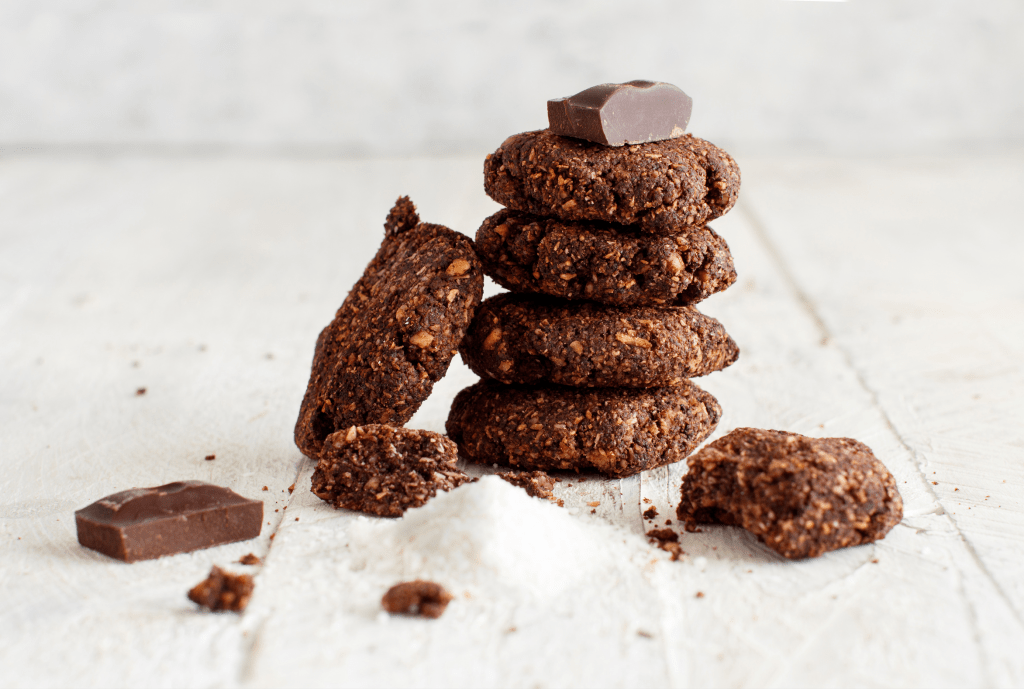
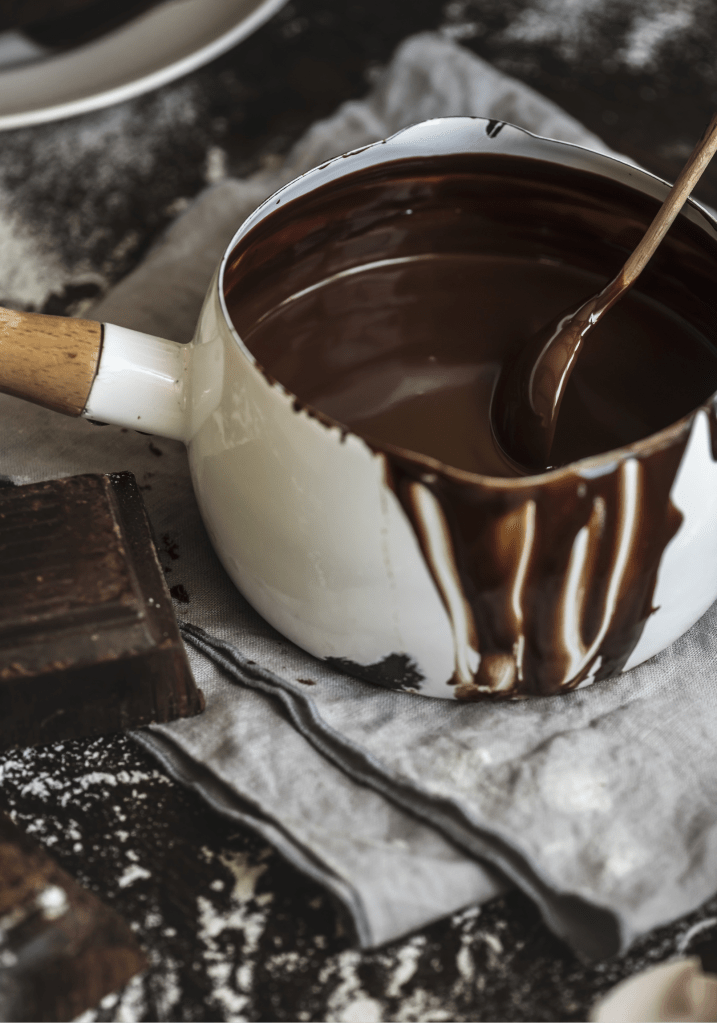
• Diabetes-Friendly Ideas for Enjoying Dark Chocolate If you’re craving chocolate, here are some of the best ways to get your fix.
• Have a serving of rich dark chocolate — but limit the serving to about ¾ to 1 oz.
• That way, Taylor says, you’ll get some of the benefits of dark chocolate and satisfy your craving for something sweet, but you won’t break the bank on your calories, saturated fat, carbs, or sugar intake.
• Sprinkle cacao nibs on your yogurt.
• This is a smaller, more compact way of getting the possible benefits of dark chocolate, Simos says.
• According to the U.S. Department of Agriculture (USDA), cacao nibs have about 10 g of carbs in a 1 oz serving, along with 9 g of blood-sugar-regulating fiber and 4 g protein that will slow down your digestion and help you feel fuller for longer, she explains.
• To ensure your snack or dessert is extra diabetes-friendly, consider opting for plain, nonfat Greek yogurt — which is also packed with filling protein and gut-friendly bacteria known as probiotics.
• A meta-analysis published July 2020 in Scientific Reports suggests probiotics can help with type 2 diabetes management by lowering A1C (a two- to three-month average of blood sugar) and fasting insulin levels.
• Add some cocoa powder to your morning shake.
• Just 1 to 2 tablespoons of natural cocoa per day may lead to improvements in your heart health, Simos says.
• Unsweetened cocoa powder contains virtually no sugar.
• Choose artificially sweetened chocolate with care.
• Just check the ingredients label to make sure the carbs per serving stay beneath that 15 to 30 g range.
• You could also opt for artificially sweetened chocolate, but you have to be careful about what kind of sugar substitute is used, Simos says, because sugar alcohols, like sorbitol, can have a laxative effect.
• Not to mention, some research suggests these types of sweeteners may lead to increased sugar cravings and unwanted weight gain.
• Good diabetes management depends on healthy weight, as weight gain can increase insulin resistance — the hallmark of type 2 diabetes.
• Ultimately, Simos advises, opting for dark chocolate with regular sugar, and indulging mindfully and in moderation, is your best bet for reaping the heart and hypoglycemic benefits that the treat can offer.
“Insulin is not a cure for diabetes; it is a treatment. It enables the diabetic to burn sufficient carbohydrates so that proteins and fats may be added to the diet in sufficient quantities to provide energy for the economic burdens of life.”

































 SAMRUDDHI AURA
You must be logged in to post a comment.